|
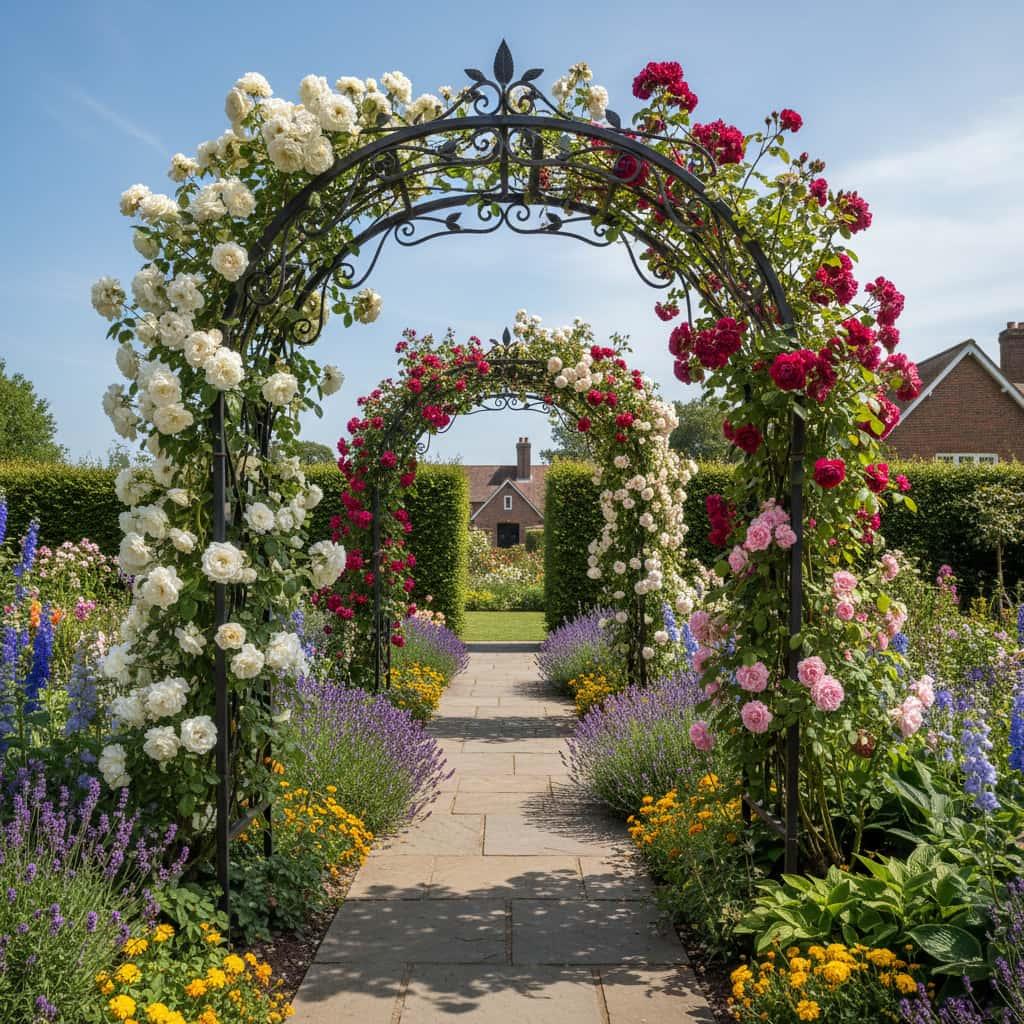
Garden arches have long been cherished as elegant and timeless elements in outdoor design. These structures not only serve as eye-catching focal points but also enhance the overall aesthetic and functionality of a garden. Whether crafted from wood, metal, or other materials, garden arches can transform an ordinary outdoor space into a picturesque haven. In this article, we will explore how garden arches act as captivating focal points and framed entrances, compare different shapes and materials for their stability and visual impact, and provide guidance on positioning an arch to highlight pathways and blend seamlessly into the garden’s design. Garden Arches as Eye-Catching Focal Points and Framed EntrancesGarden arches are more than just decorative elements; they are transformative features that can redefine the landscape of any garden. As focal points, they draw the eye and create a sense of intrigue and wonder. When strategically placed, a garden arch can serve as a gateway to a hidden garden area or a transition between different sections of a landscape. This framing effect not only enhances the visual appeal but also adds depth and dimension to the garden. One of the most compelling aspects of garden arches is their ability to create a sense of entry and invitation. By framing a pathway or entrance, they guide visitors through the garden, encouraging exploration and discovery. This is particularly effective in larger gardens where an arch can serve as a visual cue, leading the way to different garden rooms or features. The arch becomes a symbolic threshold, marking the transition from one space to another, and enhancing the overall experience of the garden. Comparing Shapes and Materials: Stability and Visual ImpactWhen selecting a garden arch, the choice of shape and material is crucial for both stability and aesthetic appeal. Traditional arches often feature a curved top, which can evoke a classic and romantic feel. However, modern designs may incorporate angular or geometric shapes, offering a contemporary twist. The choice of shape should complement the overall style of the garden and the architecture of the surrounding environment. Materials play a significant role in the durability and visual impact of a garden arch. Wooden arches, for example, offer a natural and rustic charm, blending seamlessly with lush greenery. However, they may require regular maintenance to prevent weathering. In contrast, a metal garden arch provides a sleek and durable option that can withstand the elements with minimal upkeep. Metal arches can be crafted from wrought iron, steel, or aluminum, each offering different levels of strength and resistance to corrosion. For those seeking a balance between tradition and modernity, composite materials such as fiberglass or PVC can offer the appearance of wood with the durability of synthetic materials. These options are particularly appealing for gardeners looking for low-maintenance solutions that still provide a classic look. Positioning an Arch to Highlight Pathways and Blend into Garden DesignThe placement of a garden arch is as important as its design. To maximize its impact, an arch should be positioned to highlight pathways and create a harmonious flow within the garden. Consider placing an arch at the entrance of a garden path to create a welcoming entryway. This not only draws attention to the path but also encourages visitors to explore further. Incorporating an arch into the overall garden design requires careful consideration of scale and proportion. The arch should be in harmony with the surrounding plants and structures, neither overwhelming nor being overshadowed by them. For instance, a large arch may be suitable for a spacious garden, while a smaller arch might be more appropriate for a compact space. Additionally, the arch can be used to frame specific views or garden features, such as a water fountain, a statue, or a particularly beautiful plant arrangement. By aligning the arch with these focal points, it enhances the visual journey through the garden, creating a series of framed vistas that captivate and delight. In conclusion, garden arches are versatile and timeless elements that can elevate the design of any outdoor space. By carefully selecting the shape and material, and thoughtfully positioning the arch within the garden, it can serve as a stunning focal point that enhances both the aesthetic and functional aspects of the landscape. |